Formula 1 has reaffirmed its commitment to becoming a Net Zero carbon sport by 2030, reporting a 26% reduction in absolute carbon emissions by the end of the 2024 season compared to its recalibrated 2018 baseline.

Despite expanding its race calendar from 21 to 24 events and growing its global fanbase to over 826 million, the sport successfully reduced emissions from 228,793 tCO₂e in 2018 to 168,720 tCO₂e in 2024. Without operational changes, the expansion would have increased emissions by around 10%.
F1’s progress reflects a strategic shift toward more sustainable operations. This includes the use of sustainable aviation fuel (SAF) in logistics through partnerships with DHL and Qatar Airways, which alone cut over 8,000 tCO₂e—equivalent to a 19% reduction versus traditional jet fuel.
F1 has also embraced remote broadcasting, with roughly 140 personnel working from its UK Media & Technology Centre each race weekend, reducing travel-related emissions. Upgrades to freight containers have enabled use of more efficient aircraft, saving around 9,000 tCO₂e. During the European season, equipment is moved using biofueled trucks, reducing related emissions by 83%.
Sustainability improvements at race venues have been significant as well. In 2024, 80% of race promoters used renewable energy sources, such as solar power, biofuels, and green tariffs. Low-carbon energy systems, developed in partnership with Aggreko, were used at three races in 2024 and will expand to all European events by 2025, aiming for a 90% reduction in event energy emissions.
The race calendar has also been reshaped to minimize long-distance logistics. The 2024 season moved the Japanese GP to April, grouped Azerbaijan and Singapore, and placed Qatar back-to-back with Abu Dhabi. Starting in 2026, the Canadian GP will move to May, reducing transatlantic travel between races.
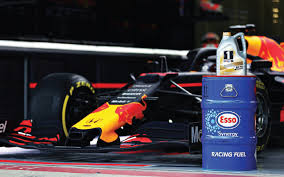
Fuel innovation remains a key focus. F2 and F3 cars ran on a 55% sustainable fuel blend in 2024, while FIA medical and safety cars used a 40% blend. In 2025, junior categories will transition to 100% sustainable fuel, with Formula 1 to follow suit in 2026. These fuels are “drop-in” capable and can be used in standard road cars, offering broader environmental benefits.
F1’s tyre supplier, Pirelli, has also contributed. All 2024 tyres met Forest Stewardship Council (FSC) standards for rubber sourcing. Post-race, tyres are recycled into secondary raw materials. Tyres are now developed using virtual simulations, reducing waste and production emissions, and all tyre manufacturing energy comes from certified renewable sources.
Together, these measures place Formula 1 well on track toward meeting its 2030 Net Zero goal.